


Common Medical Devices: Commonly Used Medical Equipment Explained
In healthcare settings, a variety of devices play crucial roles in diagnosing, monitoring, and treating patients. Understanding these common medical devices can help demystify the tools that healthcare professionals rely on daily. This article explores some of the most frequently used equipment, explaining their functions and practical applications.
Understanding Common Medical Devices
Medical devices come in many forms, from simple tools to complex machines. Some are used for routine checks, while others assist in critical care. Here are some of the most common devices you might encounter in hospitals, clinics, or even home care.
Stethoscope
The stethoscope is one of the most iconic medical devices. It allows healthcare providers to listen to internal sounds of the body, such as the heartbeat and lung sounds. This device is essential for basic physical examinations and helps detect abnormalities like heart murmurs or respiratory issues.
How it works: The chest piece picks up sound vibrations, which are transmitted through hollow tubes to the earpieces.
Practical tip: Regular cleaning of the diaphragm and earpieces is important to prevent infections.
Blood Pressure Monitor
Blood pressure monitors measure the force of blood against artery walls. High or low blood pressure can indicate various health problems, including heart disease or dehydration.
Types: Manual sphygmomanometers require a stethoscope, while automatic digital monitors are user-friendly and widely used at home.
Usage advice: For accurate readings, sit quietly for five minutes before measuring and keep the arm at heart level.

Thermometer
Thermometers measure body temperature, a vital sign indicating health status. Fever often signals infection or inflammation.
Varieties: Digital, infrared, and mercury thermometers are common types.
Best practice: Use a clean probe cover for each measurement to maintain hygiene.
Diagnostic Devices in Everyday Use
Diagnostic devices help identify diseases and monitor health conditions. They provide critical data that guide treatment decisions.
Pulse Oximeter
A pulse oximeter measures oxygen saturation in the blood and pulse rate. It is especially useful for patients with respiratory or cardiac conditions.
How to use: Clip the device onto a fingertip; it uses light to estimate oxygen levels.
Normal range: Oxygen saturation typically ranges from 95% to 100%.
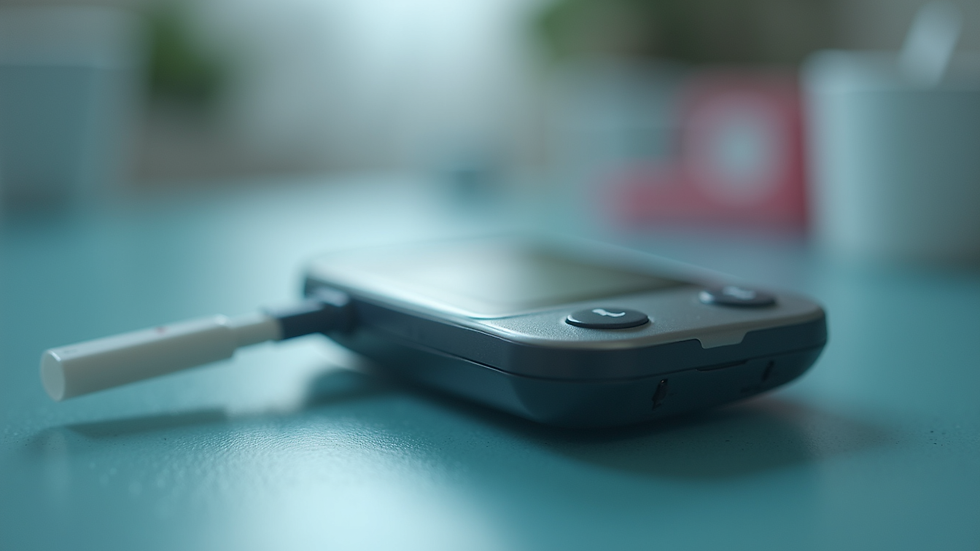
Glucometer
For people with diabetes, a glucometer is essential for monitoring blood glucose levels.
Operation: A small blood sample is placed on a test strip inserted into the device.
Recommendation: Regular monitoring helps manage diabetes effectively and prevent complications.
Therapeutic and Support Devices
Some medical devices assist in treatment or provide support to patients during recovery.
Nebulizer
A nebulizer converts liquid medication into a mist inhaled into the lungs. It is commonly used for asthma, COPD, and other respiratory conditions.
Usage tips: Clean the nebulizer parts after each use to avoid infections.
Benefit: It delivers medication directly to the lungs for fast relief.
Infusion Pump
Infusion pumps deliver fluids, medication, or nutrients directly into a patient’s bloodstream in controlled amounts.
Settings: The flow rate and volume can be precisely adjusted.
Application: Widely used in hospitals for chemotherapy, pain management, and hydration.
Safety and Maintenance of Medical Devices
Proper maintenance and safety checks are vital to ensure medical devices function correctly and safely.
Regular calibration: Devices like blood pressure monitors and glucometers need periodic calibration.
Cleaning protocols: Follow manufacturer guidelines to clean and disinfect equipment.
Training: Users should be trained to operate devices correctly to avoid errors.
Using reliable medical equipment ensures accurate diagnostics and effective treatment, which ultimately improves patient outcomes.
Enhancing Patient Care with Technology
Advancements in medical technology continue to improve the quality of care. Portable and user-friendly devices enable monitoring outside traditional healthcare settings, empowering patients to take control of their health.
Wearable devices: Track vital signs continuously and alert users to potential issues.
Telemedicine tools: Facilitate remote consultations and monitoring.
Understanding these common medical devices helps patients and caregivers appreciate the technology behind modern healthcare and encourages proactive health management.


nice text bro